Stories
/
January 20 2026
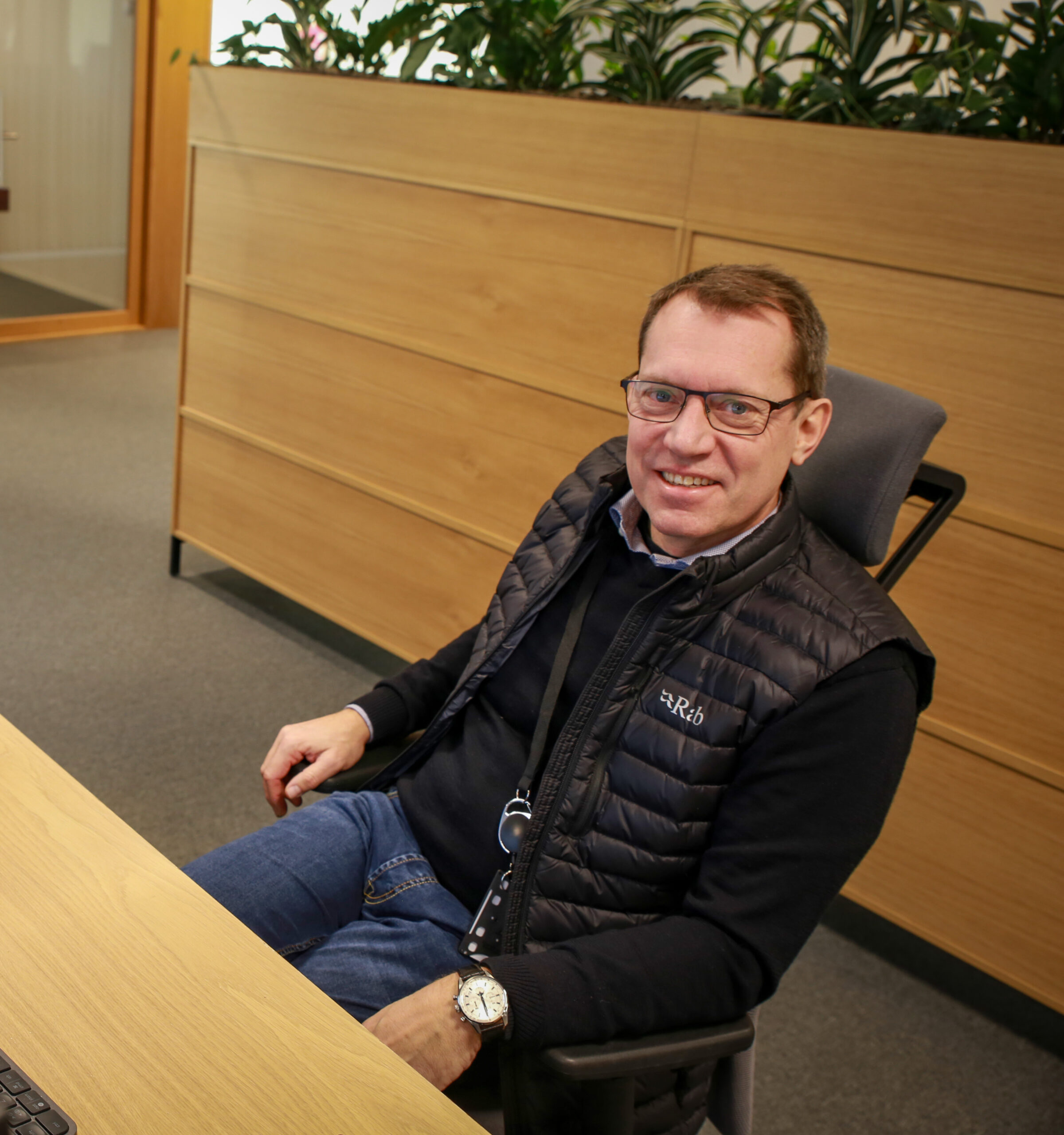
Marine & Vetting Superintendent Haakon Losnegaard pushes for higher quality both on our ships and among external inspectors.
Haakon Losnegaard’s morning routine begins like many working parents’: getting three children, aged 7 to 14, ready for school. As he boards the ferry from Askøy to Bergen, his focus turns to a role that blends technical precision with the courage to question when safety is at stake.
As Marine & Vetting Superintendent, Haakon’s work spans everything from procedures and inspections to on-board follow-up, delivering visible results every day.
At the heart of Haakon’s work lies RightShip inspections. This comprehensive vetting system evaluates vessel condition, safety management systems, and crew welfare. His responsibilities span everything from developing procedures to preparing for inspections and responding to findings. The results speak volumes about what’s possible.
This achievement requires collaboration between shore-based teams and crew members, creating a culture where safety and quality actually count.
Haakon doesn’t accept the inspectors’ findings if he feels they get it wrong:
“If we’re not satisfied with the inspector who’s been on board and disagree with the findings they’ve given us, we go straight to RightShip and take it up with them,” he says matter-of-factly.
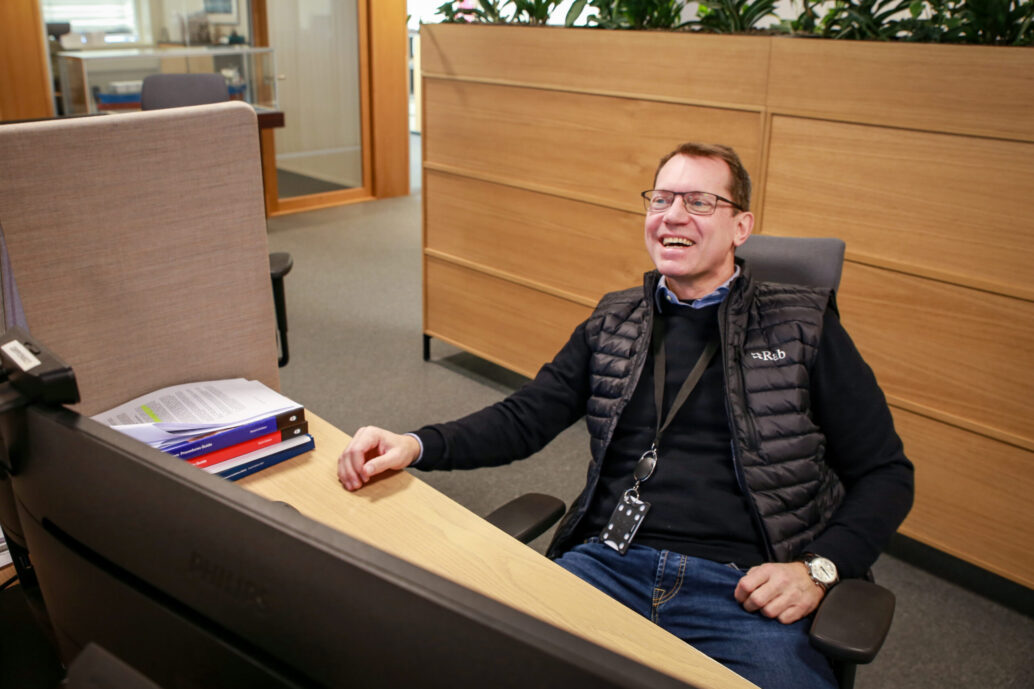
At first, he wasn’t sure RightShip would welcome such directness. However, at a recent meeting with RightShip in London, the response surprised him.
“They were positive about the way we work,” he recalls. “They learned from it and passed that knowledge to their inspectors. It strengthened their own system”.
Creating effective procedures requires more than regulatory box-ticking. It demands strategic thinking about how crews actually work.
“If we’re going to create a new procedure, we should really remove an old one, or at least not build up too much. We need to make things a bit simpler,” Haakon emphasises.
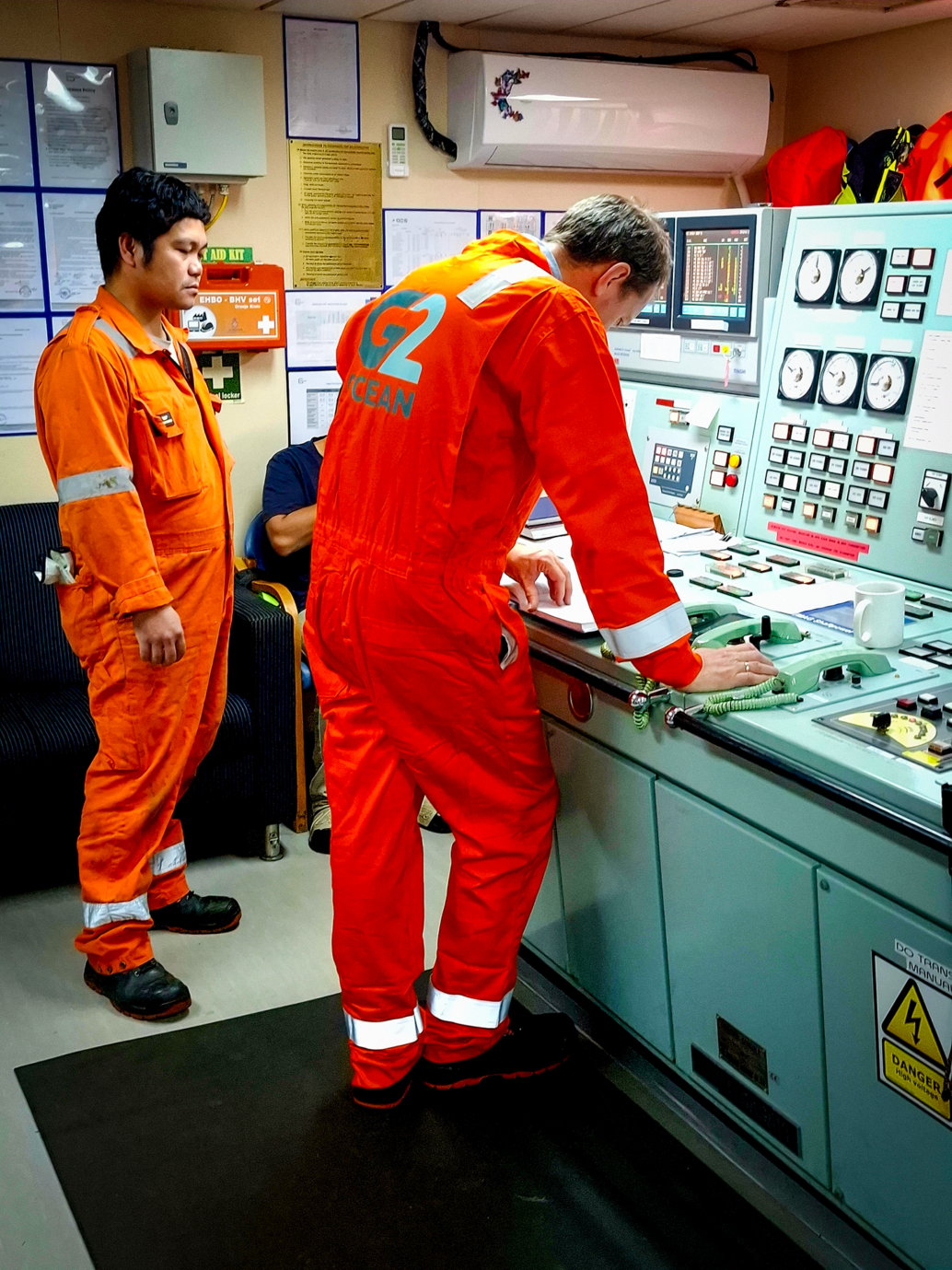
Updates to maintenance plans, checklists, and equipment ensure those changes take root in daily operations.
Beyond vetting, Haakon serves as the Designated Person Ashore (DPA) for five vessels, a role that keeps him closely involved in daily operations and problem-solving. The DPA serves as a crucial link between ship and shore management, with responsibility for ensuring vessels operate safely and in accordance with environmental regulations.
“If there are conditions on board that they can’t reach through other channels, such as through the Vessel Manager, then you’re that link to management and have a responsibility to bring feedback, concerns, or whatever it might be, forward,” Haakon explains.
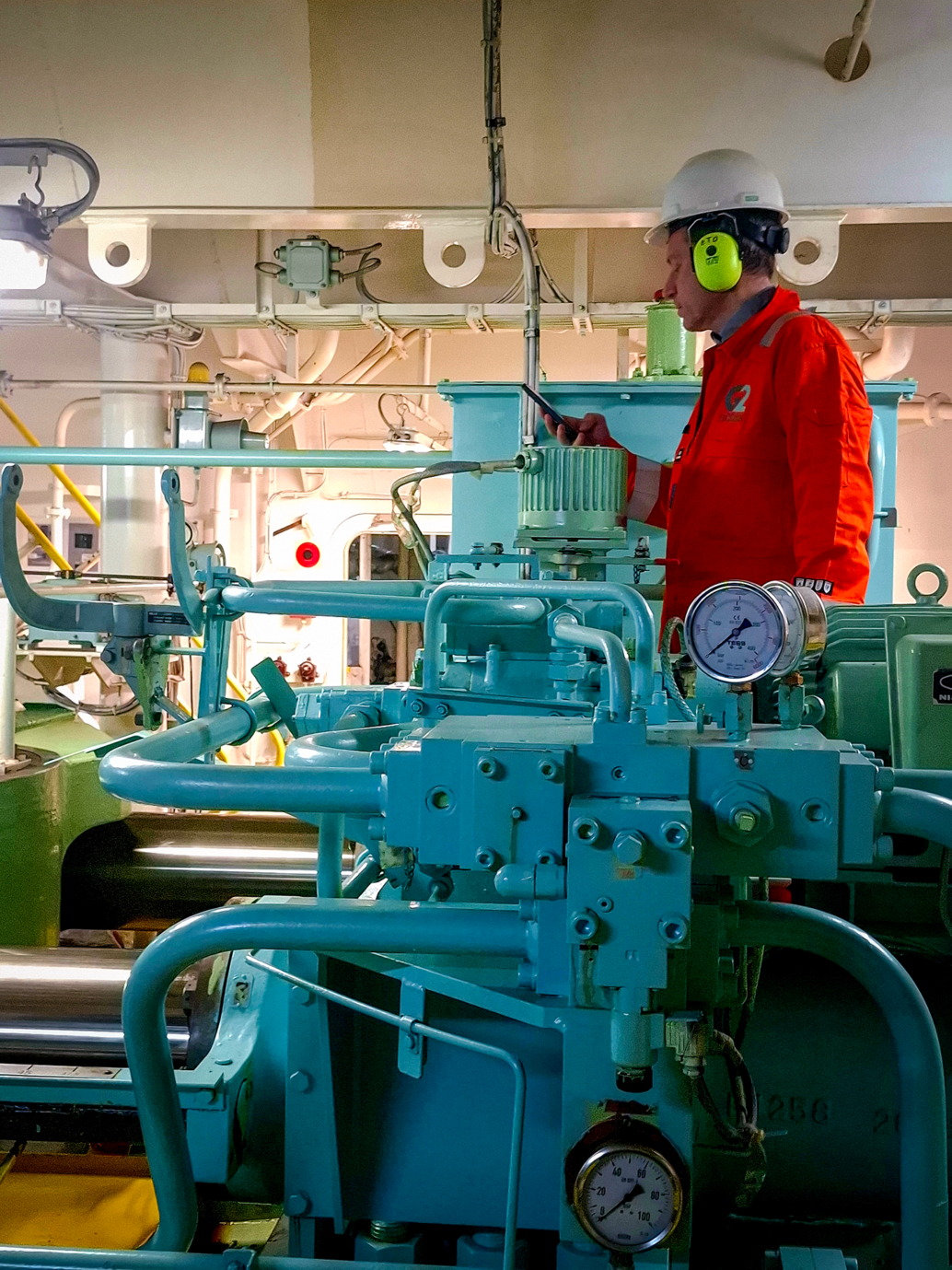
Haakon prefers to sail with his vessels from port to port when possible, spending three to seven days observing operations firsthand.
“Where possible, I join the vessel from port to port, spending several days on board,” he says.
This immersive approach allows him to verify that procedures work in practice, not just on paper. When incidents occur, the work becomes detective-like.
Even with strong systems in place, accidents usually trace back to training gaps, inexperience, or shortcuts. Finding these roots prevents recurrence and builds safer habits across the fleet.
“Still, for us to succeed, we are depending on onboard leadership and the crew. There is only so much we can do from onshore. Working with the management onboard and supporting them in implementing the company’s safety and quality standards is vital,” Haakon says.
For Haakon, the reward lies in seeing real change at sea.
“There are many pieces to watch: following up on checklists and work orders, investigating incidents, sharing lessons, and questioning how things are done,” he says.
The role calls for independence, clear communication, and the judgment to know when to question established practice.
Every procedure improved, every finding challenged, and every root cause identified makes vessels safer and operations more efficient. In an industry where safety is paramount, professionals like Haakon Losnegaard are crucial for the welfare of the crew and the quality of the ship.